
Buy Orthopedic Pillow for Sleep: A 2026 Guide
Table of Contents
- How to Choose a Cervical Pillow: Key Factors That Matter
- Orthopedic Pillow for Side Sleepers: Support for Broad Shoulders
- Orthopedic Pillow for Back Sleepers: Maintaining Spinal Alignment
- Orthopedic Pillow vs. Cervical Pillow: Understanding the Difference
- Best Orthopedic Pillows to Buy for Sleep
- Quick Comparison Table
- What to Expect: Durability, Returns, and Break-In Periods
- Which Orthopedic Pillow Should You Choose?
- Frequently Asked Questions
Last Updated: October 17, 2026
How to Choose a Cervical Pillow: Key Factors That Matter
Selecting the right orthopedic pillow for sleep comes down to matching three variables to your body: sleep position, shoulder width and neck length, and the pillow's loft and firmness. Get those right and the pillow fills the gap between your neck and the mattress while holding your cervical curve; get them wrong and it flattens into the same misalignment you started with.

Start with sleep position, then measure
- Side sleepers. The pillow must fill the distance from the mattress to the side of your head while your shoulder stays on the mattress. To estimate loft, lie on your side against a wall and measure the vertical gap between the mattress and the base of your neck. Most side sleepers land between 4 and 5 inches; broader shoulders push toward the top of that range.
- Back sleepers. The pillow should support the cervical curve without pushing the chin toward the chest. Most do best with 3 to 4 inches of loft and a contour that cradles the base of the skull; too high tilts the head forward, too low extends the neck backward.
- Stomach sleepers. Most contoured orthopedic pillows are not built for stomach sleeping because the position rotates the cervical spine. A very low-profile or thin, soft pillow is usually the better fit.
- Combination sleepers. Prioritize a pillow that works for your dominant position and does not fight you in the secondary one. Adjustable-loft and shredded-fill pillows handle position changes better than fixed contours.
Match loft and firmness to body weight and frame
Loft is how high the pillow sits, usually measured in inches; firmness is how much it resists compression. Both need to match your body.
- Heavier sleepers compress foam more, so denser foam or a higher-loft pillow holds alignment better; a soft pillow can bottom out.
- Lighter sleepers often find dense foam too firm and end up with jaw or ear pressure; medium foam or adjustable shredded fill works better.
- Shoulder width is the most overlooked measurement for side sleepers. If the pillow is right for your neck but too low for your shoulder, your head still drops and your neck bends.
A simple test: lie on the pillow in your usual position and have someone check whether your nose, chin, and sternum line up. If your chin points down or your head tilts up, the loft is wrong.
Understand the material trade-offs
Materials drive how a pillow feels on night one versus night 300, plus temperature and maintenance.
- Memory foam. Molds to shape and provides consistent support, but retains heat and can have an initial odor. Dense foam holds support longer; softer foam flattens sooner. Look for airflow channels or ventilated covers if you sleep hot.
- Water-based chambers. Let you tune firmness by adding or removing water. They are responsive to movement but require periodic water-level checks and careful handling to avoid leaks.
- Shredded or adjustable fill. Lets you add or remove fill to change loft, helpful for combination sleepers and dialing in fit.
- Latex and hybrid foams. Sleep cooler than memory foam and bounce back faster, but feel firmer and cost more.
Separate comfort claims from treatment claims
Orthopedic and cervical pillows are comfort and support products, not medical devices. They can help maintain alignment and reduce pressure that contributes to morning stiffness, but they are not a treatment for a diagnosed condition. If you have persistent neck pain, numbness, tingling, or headaches that wake you, talk to a clinician; a pillow can support a care plan but should not replace one.
Check fit, cover, and washability before you buy
- Cover material. A breathable, removable cover makes a bigger difference to night-time temperature than most shoppers expect. Look for a machine-washable zip cover.
- Foam care. Most foam cores should not go in a washing machine; spot-clean and air-dry instead.
- Dimensions. A pillow that is too narrow lets your head roll off the contour when you move. Check the width against your shoulder span.
Orthopedic Pillow for Side Sleepers: Support for Broad Shoulders
When you sleep on your side, your shoulder creates a gap between your neck and the mattress. If your pillow doesn't fill that gap, your neck bends downward, straining the cervical spine and creating morning stiffness.
The ideal orthopedic pillow for side sleepers has a higher loft and a contoured shape that supports both your head and the side of your neck.
Broad shoulders complicate this further: if you carry muscle in your shoulders or have a wide frame, standard pillow heights won't keep your neck level with your spine. Many side sleepers spend years waking up with neck pain simply because their pillow is too low for their body type.
Memory foam works particularly well for side sleepers because it molds to your shoulder contour while staying firm in the neck support area. Cervinest's orthopedic pillow for neck pain is engineered with this in mind, providing consistent support.

Orthopedic Pillow for Back Sleepers: Maintaining Spinal Alignment
Back sleeping is often considered the healthiest position for spinal alignment, but only if your pillow supports it.
The challenge: most back sleepers use pillows that are too high, tilting the head forward into "tech neck" posture, or too low, extending the neck backward and straining the cervical joints.
Back sleepers typically need medium loft (3-4 inches) with a contoured design that supports the base of the skull and the cervical curve. The pillow should cradle your neck, not just your head, so your neck feels supported rather than stretched.
Memory foam helps here because it distributes pressure evenly across the back of your head and neck. Unlike traditional pillows that create pressure points, a contoured orthopedic pillow spreads your head's weight across a larger surface area, reducing neck muscle tension.
If you're a back sleeper experiencing neck pain or headaches, check your pillow height first. Cervinest's orthopedic neck support pillow includes integrated airflow channels that prevent overheating, which helps back sleepers stay in position throughout the night rather than tossing and turning.

Orthopedic Pillow vs. Cervical Pillow: Understanding the Difference
These terms are often used interchangeably, but there's a meaningful distinction that helps you choose the right pillow.
A cervical pillow is specifically designed to support the cervical spine, the seven vertebrae in your neck.
An orthopedic pillow for sleep is a broader category that includes cervical pillows plus other ergonomic designs, from memory foam without pronounced cervical contouring to adjustable features like water chambers that customize firmness and support level.
The key difference: cervical pillows are highly specialized for neck support, while orthopedic pillows cover overall head, neck, and upper-spine support.
Cervinest offers both options. Our cervical neck pillow with water base gives you adjustable support by adding or removing water to customize your comfort level. This adaptability makes it ideal for people who aren't sure what firmness level they need.
Best Orthopedic Pillows to Buy for Sleep
Orthopedic Pillow for Neck Pain ($48)
At $48, Cervinest's orthopedic pillow for neck pain delivers genuine cervical support without the premium price tag of more specialized options.
It works equally well for side and back sleepers, ideal if you shift positions during the night. It arrives 100% odor-free and ready to use immediately, with no off-gassing period required.
What works: The price-to-support ratio is excellent. You get genuine orthopedic support without paying for premium materials or adjustable features.
What to consider: This pillow is best suited for people with mild to moderate neck tension. If you have very specific firmness preferences or need highly customized support, you might outgrow it quickly.
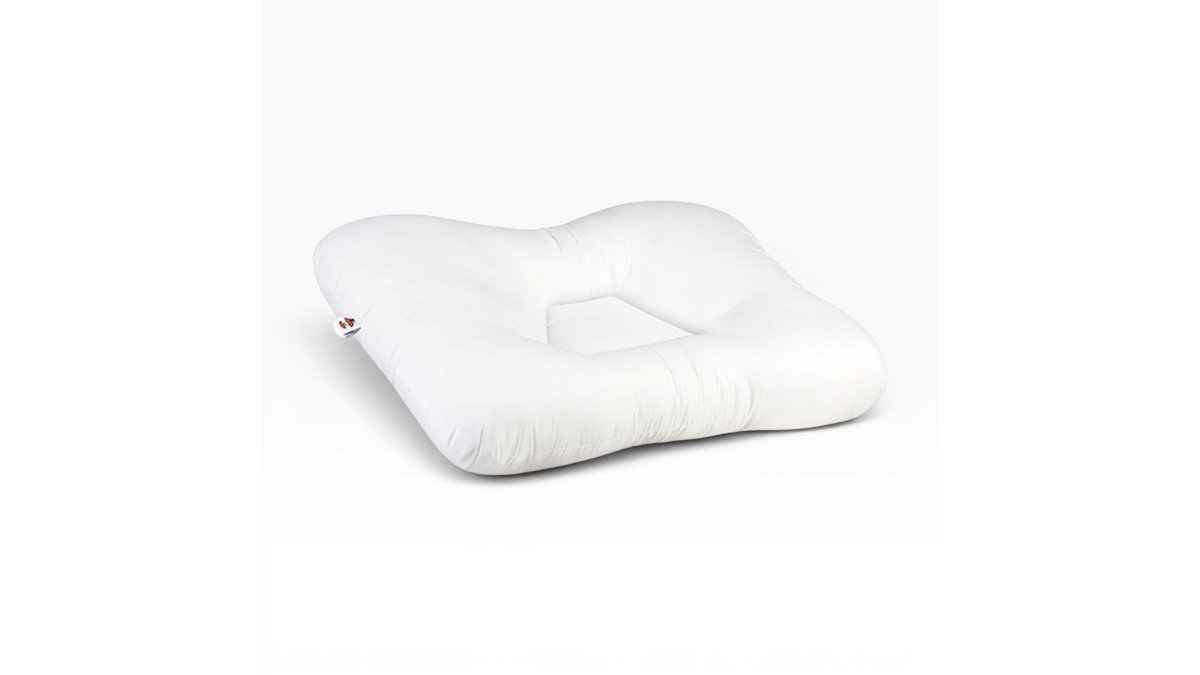
Cervical Neck Pillow with Water Base ($61)
This pillow stands apart because of its fully personalized support system. The built-in water chamber lets you add or remove water to customize your exact comfort level and firmness.
The water base dynamically adjusts to your movement throughout the night. It combats tech neck tension by maintaining your natural neck curvature and easing the physical stress that builds up from prolonged screen time.
What works: The personalization factor is genuine. You're not guessing about firmness, you control it. The water chamber prevents the pillow from going flat, which addresses a common complaint about traditional orthopedic pillows. The water-based support feels responsive and adaptive.
What to consider: Water-based pillows require occasional maintenance. You'll need to check water levels periodically and ensure the chamber doesn't develop leaks. The initial learning curve for adjusting water levels takes a few nights.
Pillow for Neck and Shoulder Pain ($95)
This is Cervinest's answer to people with serious neck and shoulder tension. The contoured cervical design specifically targets both the neck and shoulder region, addressing the gap that standard pillows leave unsupported.
The pillow maintains consistent support throughout the night, which means you're not constantly adjusting or fluffing it to stay comfortable. This consistency matters because interrupted sleep prevents your neck muscles from fully relaxing. The design supports both side and back sleepers equally well, so position changes don't compromise support.
What works: The extended shoulder support is genuinely different from basic orthopedic pillows. If your pain radiates from your neck into your shoulders, this pillow's broader contour addresses both problem areas. The memory foam provides firmer support for people who need it.
What to consider: At $95, this is a mid-range investment. It's best suited for people with moderate to severe neck and shoulder pain rather than general comfort seekers.
Orthopedic Neck Support Pillow ($106.93)
This is Cervinest's premium offering, designed for people with chronic neck pain, severe stiffness, or specific ergonomic needs. The firm orthopedic pillow cradles your head to quickly alleviate stiffness, morning tension, and nagging headaches.
The pillow restores your natural cervical curvature by matching the exact curve of your neck and correcting daytime "tech neck" posture.
The construction uses non-toxic, non-allergenic foam that arrives fresh with zero chemical smell. The machine-washable zip cover makes maintenance simple, you can keep the pillow clean without worrying about damaging the foam core.
What works: This is a comprehensive support option. If you've struggled with chronic neck pain, this pillow addresses multiple factors simultaneously: alignment, support consistency, temperature regulation, and material quality.
What to consider: At $106.93, this represents a significant investment. It's best for people with chronic neck issues or those who've tried other pillows without success.
Quick Comparison Table
| Pillow | Price | Best For | Key Feature | Firmness |
|---|---|---|---|---|
| Orthopedic Pillow for Neck Pain | $48 | Budget-conscious, mild tension | Universal side/back support | Medium |
| Cervical Neck Pillow with Water Base | $61 | Customization seekers, tech neck | Adjustable water chamber | Customizable |
| Pillow for Neck and Shoulder Pain | $95 | Shoulder tension, moderate pain | Extended shoulder support | Firm |
| Orthopedic Neck Support Pillow | $106.93 | Chronic pain, severe stiffness | Airflow channels, premium materials | Very Firm |
What to Expect: Durability, Returns, and Break-In Periods
Most people expect immediate relief when they switch to an orthopedic pillow for sleep. The reality is more nuanced. Your neck has adapted to whatever support (or lack of it) you have been using, and proper orthopedic support feels different, sometimes uncomfortable at first. The purchase-risk details below are the ones most buying guides skip, and they are the ones that determine whether a pillow is worth keeping.
Break-in periods: what is normal and what is not
A break-in period of roughly 2 to 3 weeks is common. During that time your cervical muscles adjust to a new alignment, and some temporary soreness can appear as muscles that have been working overtime begin to relax. A few guidelines:
- Give it a fair trial. Sleep on the pillow for at least 7 to 10 consecutive nights before deciding. One bad first night is not a verdict.
- Watch for the wrong kind of discomfort. Soreness that fades over the first week is usually adjustment. Numbness, tingling, or pain that gets worse night after night is a sign the loft or firmness is wrong for you, not a sign to push through.
- Adjust before you return. If the pillow has adjustable fill or a water chamber, change the loft or firmness during the trial rather than returning a pillow you have not tuned.
Trial periods and returns: what to check before you buy
Return policies vary widely, and the details matter more than the headline window.
- Length of the trial window. Look for at least 30 days so you can get through the break-in period and still have time to evaluate. Some sellers offer 60 or 90 nights.
- Condition requirements. Many retailers require the original packaging or a sanitary cover, and some exclude pillows for hygiene reasons. Read the fine print before the pillow arrives.
- Who pays return shipping. On a $48 to $107 pillow, return shipping can erase the value of the trial. Check whether returns are free.
- Restocking fees. Some sellers charge a percentage; others waive it within a window.
- Warranty coverage. A warranty usually covers manufacturing defects such as seam failures or foam that collapses prematurely, not normal softening. Check the warranty length and what it excludes.
Durability: how long support actually lasts
Durability depends on construction and on how well you maintain the pillow.
- Memory foam. Typically holds support for about 18 to 36 months depending on density and use. Higher-density foam in premium pillows generally outlasts softer construction.
- Water-based pillows. Can last 3 to 5 years if the chamber is maintained and checked for leaks.
- Shredded fill. Lifespan depends on the fill; some shoppers top up fill over time rather than replacing the pillow.
Signs it is time to replace
Replace the pillow when support is gone, not when the calendar says so. Concrete signs:
- The pillow no longer fills the gap between your neck and the mattress in your usual position.
- You wake up and the pillow has flattened into a pancake that needs fluffing every night.
- You notice a visible dip or impression that does not recover after a few minutes.
- Morning stiffness that had improved starts coming back.
Maintenance that extends life
- Use a removable, washable cover and wash it regularly; spot-clean the foam core and air-dry it fully.
- Keep water-based pillows filled to the recommended level and inspect the chamber periodically.
- Store the pillow flat and avoid compressing it for long periods.
Which Orthopedic Pillow Should You Choose?
The right choice depends on your specific situation. Here's how to narrow it down:
Start with your sleep position. Side sleepers need higher loft and broader shoulder support. Back sleepers need medium loft with cervical contouring. If you shift between positions, you need a pillow that works equally well for both.
Consider your pain level. Mild morning stiffness responds well to entry-level orthopedic pillows. Moderate neck pain benefits from mid-range options with firmer support. Chronic pain typically requires premium pillows with comprehensive support systems.
Evaluate your budget. At $48, the orthopedic pillow for neck pain is a legitimate starting point. If that doesn't provide enough relief after 3 weeks, you can upgrade to a more specialized option.
Think about customization. If you're uncertain about what firmness level you need, the cervical neck pillow with water base lets you adjust.
Account for your environment. If you sleep hot or tend to wake multiple times per night, the orthopedic neck support pillow's airflow channels make a genuine difference.
Mid-range options like the pillow for neck and shoulder pain ($95) or cervical neck pillow with water base ($61) offer a balance between price and comprehensive support. They address pain without requiring a major investment.
Chronic neck tension and poor sleep don't have to be permanent. Whether you're starting with our $48 orthopedic pillow for neck pain or investing in our premium orthopedic neck support pillow with integrated airflow channels, you're choosing support engineered to cradle your head, maintain natural spinal alignment, and help you wake up without neck tension.
Frequently Asked Questions
What is the difference between an orthopedic pillow and a cervical pillow?
An orthopedic pillow is a broad category designed to support proper body alignment and reduce joint pain during sleep. A cervical pillow is a specific type of orthopedic pillow that focuses on the cervical spine (neck region). All cervical pillows are orthopedic pillows, but not all orthopedic pillows target the neck. When you buy an orthopedic pillow for sleep, you're often choosing a cervical option if neck support is your primary goal. The contoured design of cervical pillows fills the gap between your neck and mattress, maintaining natural neck curvature throughout the night.
How long does it take to get used to an orthopedic pillow for sleep?
Most people adjust to a new orthopedic pillow within 1-2 weeks as your neck muscles and spine adapt to the improved support and alignment. During this break-in period, you may notice the pillow feels firmer or different than what you're used to, but this is normal. Some users experience immediate relief from neck pain, while others need time for their body to recalibrate. If you don't see improvement after 2-3 weeks of consistent use, consider whether your sleep position matches the pillow's design, or try adjusting the support level if your pillow offers customizable features.
Can an orthopedic pillow help with chronic neck pain?
An orthopedic pillow can significantly reduce neck pain by maintaining proper spinal alignment and reducing muscle tension during sleep. However, results depend on the root cause of your pain. If your neck pain stems from poor sleep posture, tech neck from daytime screen use, or sleeping in an unsupported position, an orthopedic pillow often provides relief. For severe, long-standing pain, a pillow alone may not be enough, combining proper support with daytime posture correction and possibly physical therapy yields better outcomes. The key is choosing a pillow that matches your sleep position and firmness preference to ensure consistent support throughout the night.
What should I look for when choosing an orthopedic pillow for my sleep position?
Your sleep position determines the pillow height and firmness you need. Side sleepers require a firmer, taller pillow to fill the gap between shoulder and neck. Back sleepers need medium firmness with a contoured design that cradles the neck's natural curve. Stomach sleepers should use a thinner pillow to prevent excessive neck rotation. Additionally, consider your shoulder width, broader shoulders need more loft to maintain alignment. Look for pillows with consistent support throughout the night that don't flatten easily, and verify the pillow is designed for your specific position to maximize pain relief and sleep quality.
What is the best orthopedic pillow for sleeping if I'm concerned about durability?
Durability depends on material quality and construction. Memory foam pillows with high-density foam resist flattening better than lower-density options. Water-based cervical pillows offer customizable support and excellent longevity since water doesn't compress like foam. Check for machine-washable covers and non-allergenic materials that maintain their properties over time. When you buy an orthopedic pillow for sleep, look for products backed by warranties or trial periods, these indicate manufacturer confidence in durability. Proper care, including regular fluffing and using a protective cover, extends any pillow's lifespan significantly.