
Ergonomic Travel Pillows for Neck Support: 2026 Buyer's Guide
Table of Contents
- What Makes an Ergonomic Travel Pillow Effective for Neck Support
- Memory Foam vs Inflatable Travel Pillows: Which Delivers Better Cervical Support
- Neck Support Travel Pillow: Compact Design for Pain-Free Travel
- Neck Roll Pillow: Portable Support for Every Journey
- Orthopedic Pillow for Neck Pain: Home and Travel Comfort
- Orthopedic Neck Support Pillow: Premium Cervical Alignment
- Quick Comparison Table: Features, Price, and Best Use Cases
- How to Prevent Neck Pain While Flying: Pillow Selection and Positioning Tips
- Finding the Best Travel Pillow for Neck Pain: Selection Criteria
- Conclusion
- Frequently Asked Questions
Last Updated: October 2, 2026
What Makes an Ergonomic Travel Pillow Effective for Neck Support
Ergonomic travel pillows for neck support are designed to maintain proper cervical alignment while you sleep, whether at home or away from it. The difference between a good neck support pillow and an ordinary one comes down to three factors: how well it fills the gap between your neck and shoulders, how it stabilizes your head during movement, and whether it keeps your cervical spine in neutral alignment throughout the night.

Most people abandon travel pillows within weeks because they go flat, fail to support, or feel like luggage. Understanding what your neck actually needs separates effective cervical support from the rest.
Your cervical spine has a natural curve that collapses without proper support, causing your head to drop forward or tilt sideways. This forces neck and shoulder muscles to compensate, leaving you stiff and sore. An effective ergonomic travel pillow for neck support prevents this by cradling your head and maintaining cervical alignment throughout sleep.
The best travel pillows for neck pain provide 360-degree stabilization from all angles, use materials that conform to your neck shape rather than forcing conformity, and are genuinely portable, not just marketed that way.
Memory Foam vs Inflatable Travel Pillows: Which Delivers Better Cervical Support
The choice between memory foam and inflatable materials determines how your neck support pillow performs across different scenarios. Memory foam offers consistent, personalized support. Inflatable pillows offer adjustability and compressibility. Neither is universally superior, the right choice depends on your body type, sleeping position, environmental conditions, and how you travel.
Memory Foam: Personalized Support with Trade-offs
Memory foam molds to your neck contours within 3-5 minutes, providing uniform pressure distribution and staying aligned all night without shifting. It conforms to your exact shape rather than forcing conformity.
Memory foam pillows weigh 1.5-2.5 pounds versus 0.5-1 pound for inflatables, retain body heat (problematic for hot sleepers), and vary in durability: cheap foam (1.5-2 pcf) compresses within 6-12 months, while high-density foam (4+ pcf) lasts 2-3 years but weighs more.
Memory foam excels for back sleepers and narrow-shouldered people. Side sleepers with broad shoulders often find it insufficient because it doesn't fill the larger lateral gap.
Inflatable Pillows: Adjustability and Portability
Inflatable pillows compress to nearly nothing, making them ideal for backpackers and frequent flyers. You adjust firmness by adding or removing air, theoretically suiting different preferences across trips.
Inflatable pillows have practical limitations: air pressure drops at altitude, requiring mid-flight re-inflation; they provide uniform firmness rather than personalized contouring, feeling unstable for side sleepers needing deeper lateral support.
Valve mechanisms add failure points; slow leaks are common, with some users losing 20-30% firmness over 10 hours, and valves can press uncomfortably against your neck.
Comparing Performance Across Travel Scenarios
For long-haul flights (8+ hours), memory foam wins, it maintains consistent support without degradation. For commuter flights (30-90 minutes), inflatable pillows work adequately. For hot sleepers or tropical destinations, inflatables have an advantage since they don't retain body heat.
Material Quality Matters More Than Type
Material quality determines longevity: low-grade memory foam breaks down quickly, while high-grade viscoelastic foam lasts years. Inflatable pillows made from thin PVC fail faster than those using reinforced nylon or TPU. When evaluating, check if manufacturers specify foam density, material composition, and durability guarantees, premium options typically offer 2-5 year warranties.
Neck Support Travel Pillow: Compact Design for Pain-Free Travel
The Cervinest Neck Support Travel Pillow ($89.99) balances support with portability through thoughtful design. Instead of shrinking a full-size pillow, it uses a contoured shape that supports the cervical spine and neck-shoulder gap, delivering professional-grade support in a water-bottle-sized package.

Compact travel pillows work best with multiple support surfaces. The Cervinest design includes a side-sleeper mode when flipped, accommodating position shifts during sleep.
When evaluating compact pillows, look for these specifics: Does it have a removable, washable cover? Can it support both side and back sleeping positions? Does the manufacturer specify the exact dimensions and weight? A pillow that weighs more than 12 ounces or takes up more space than a small loaf of bread isn't truly travel-friendly, regardless of marketing claims.
Neck Roll Pillow: Portable Support for Every Journey
A neck roll pillow takes portability further by using a cylindrical design that straps directly to your luggage or vehicle seat. The Cervinest Neck Roll Pillow ($36.99) serves multiple purposes: airplane travel, car rides, office chairs, and home use.
The strap mechanism is what makes neck roll pillows genuinely different from traditional pillows. You attach it to your car's headrest or plane seat back, and it prevents your head from dropping sideways during sleep. This matters more than most people realize. When your head tilts suddenly, it jars your cervical spine and disrupts sleep quality.
Neck roll pillows excel for people with active travel schedules. You can attach it to your office chair to improve posture during workday hours, then strap it to your travel bag for weekend trips. This versatility means you're getting cervical support across multiple environments, not just during sleep.
The tradeoff is that neck roll pillows provide less comprehensive support than full-sized travel pillows. They're excellent for preventing head-dropping and correcting posture, but they don't cradle your entire head the way a contoured pillow does. For long-haul flights where you need deep sleep, a full travel pillow is better. For commutes and shorter trips, a neck roll pillow is often sufficient.
Orthopedic Pillow for Neck Pain: Home and Travel Comfort
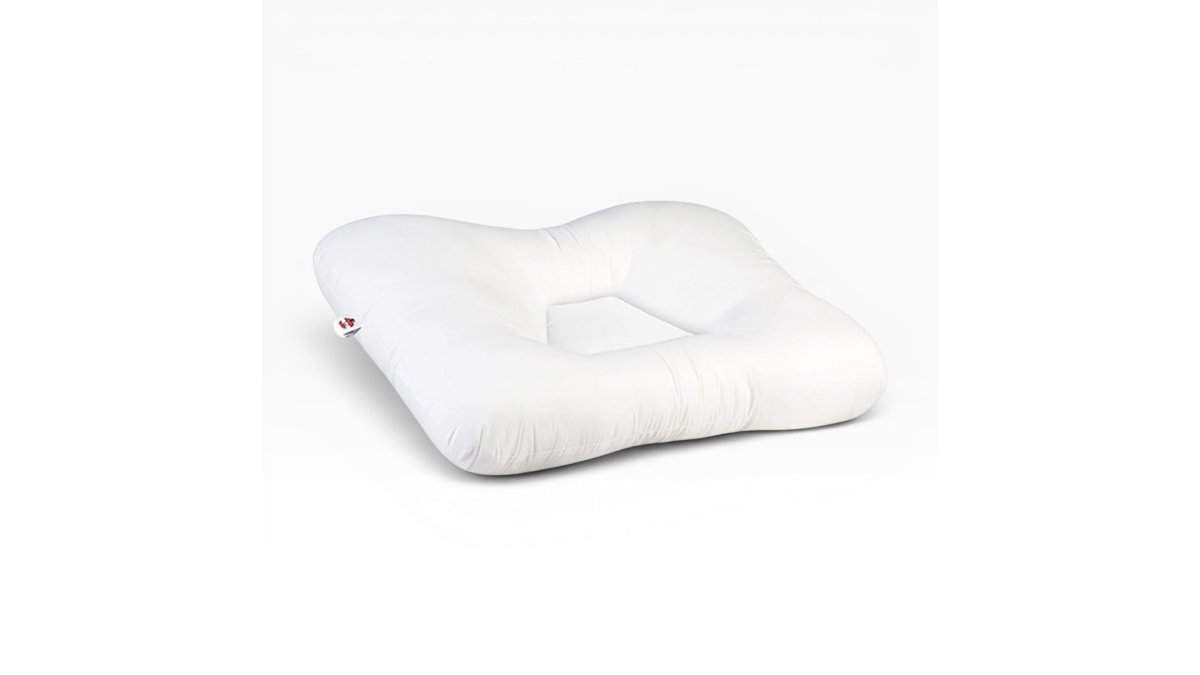
An orthopedic pillow for neck pain serves dual purposes. The Cervinest Orthopedic Pillow for Neck Pain ($51.99) works as your primary home pillow while remaining portable enough for occasional travel. This hybrid approach appeals to people who want consistent cervical support across multiple environments.

Orthopedic pillows are engineered specifically for people with existing neck pain. They're not aspirational, they're designed for someone who wakes up with stiffness or experiences pain during the day from poor sleep posture. The ergonomic cervical alignment these pillows provide helps eliminate morning soreness and improves sleep quality.
The key feature is universal support. This pillow works for both side sleepers and back sleepers without requiring flips or adjustments. It maintains natural neck posture regardless of your sleeping position, which matters because most people move throughout the night.
For home use, an orthopedic pillow prevents pain from developing in the first place. For travel, it ensures you don't regress. Many people find that once they experience proper cervical support, they can't sleep well without it. An orthopedic pillow bridges home and travel seamlessly.
Orthopedic Neck Support Pillow: Premium Cervical Alignment
The Cervinest Orthopedic Neck Support Pillow ($104.99) represents the premium option in the lineup. It's designed for people with chronic neck issues, those recovering from injury, or anyone who prioritizes sleep quality above all else.
This pillow melts neck tension by providing superior pressure relief across the cervical spine. It combats tech neck, that forward head posture many office workers develop from staring at screens all day. The deeper contouring and higher-quality materials mean this pillow maintains its support longer than budget alternatives.
Premium orthopedic pillows justify their cost through durability and performance. You're not replacing this pillow every year. The materials resist flattening, the cover is more durable, and the support remains consistent night after night. For someone spending eight hours per night on a pillow, that durability matters.
This pillow works best for home use, though it can travel if you have the luggage space. It's heavier and bulkier than the travel-specific options, but it delivers the deepest cervical support in the Cervinest lineup.
Quick Comparison Table: Features, Price, and Best Use Cases
| Product | Price | Best For | Key Feature | Portability |
|---|---|---|---|---|
| Neck Roll Pillow | $36.99 | Frequent travelers, office workers | Straps to seats, corrects desk posture | Highly portable |
| Orthopedic Pillow for Neck Pain | $51.99 | Home and occasional travel | Universal side/back sleeper support | Moderately portable |
| Neck Support Travel Pillow | $89.99 | Travelers seeking premium support | Compact design, dual sleeping modes | Very portable |
| Orthopedic Neck Support Pillow | $104.99 | Chronic pain, home priority | Premium materials, maximum durability | Less portable |
How to Prevent Neck Pain While Flying: Pillow Selection and Positioning Tips
Preventing neck pain during flights requires three components: the right pillow, proper positioning technique, and thermal comfort. Many travelers buy a good pillow but then position it incorrectly or struggle with heat retention, negating the pillow's benefits.
Pillow Selection Based on Flight Duration and Your Sleep Profile
Start with pillow selection based on flight duration and whether you're a hot sleeper. For flights under three hours, a neck roll pillow is sufficient. For flights between three and eight hours, the Cervinest Neck Support Travel Pillow provides the support your cervical spine needs. For long-haul flights over eight hours, consider the Orthopedic Pillow for Neck Pain, which offers deeper support for extended sleep periods.
However, if you're a hot sleeper, someone who wakes up sweating or feels uncomfortable in warm environments, standard memory foam pillows become problematic on long flights. Airplane cabins are pressurized and often warm, and memory foam retains body heat, creating a cycle where you overheat, wake up, and lose sleep quality. In this case, look for travel pillows with cooling gel layers, breathable mesh covers, or moisture-wicking fabrics. These features cost $10-20 more but make a significant difference on 8+ hour flights.
Correct Positioning: The Most Overlooked Factor
Positioning matters as much as the pillow itself, and most travelers position their pillows incorrectly. Place the pillow so it fills the gap between your neck and shoulder, not under your head. Your head should rest naturally on your seat or window, with the pillow providing cervical support from underneath. This positioning prevents your head from tilting forward or sideways.
Many people make the mistake of using the pillow like a traditional pillow, placing it under their head. This actually increases neck strain because it elevates your head unnaturally and creates a kink in your cervical spine. The pillow's job is to support the curve of your cervical spine, not to prop up your head.
For side sleepers, position the pillow on the side you're sleeping on, filling the gap between your neck and shoulder. For back sleepers, position it at the base of your neck, supporting the cervical curve without tilting your head backward. If you shift positions during sleep, which most people do, the pillow should move with you. This is why contoured pillows work better than simple cylindrical designs; they accommodate position changes without requiring repositioning.
Managing Thermal Comfort on Extended Flights
Temperature regulation is critical on flights over 6 hours. Airplane cabins maintain temperatures around 72°F, but with hundreds of passengers and limited air circulation, your immediate microclimate, especially around your head and neck, can become significantly warmer. Memory foam pillows trap heat, raising the temperature around your neck by 2-4 degrees Fahrenheit compared to ambient cabin temperature.
If your pillow doesn't have cooling technology, use these strategies:
- Breathable pillowcase: Use a cotton or bamboo pillowcase instead of synthetic materials. Cotton breathes better and wicks moisture away from your skin.
- Gel cooling packs: Some travel pillows include removable gel inserts that you can refrigerate before boarding (or request ice from flight attendants to refresh mid-flight).
- Positioning for airflow: Position your pillow so air from the cabin's overhead vent reaches your neck area. This simple adjustment can reduce perceived heat by 30-40%.
- Moisture-wicking layers: Look for pillows with outer covers made from moisture-wicking fabrics like Coolmax or similar synthetic blends designed to pull sweat away from your skin.
For frequent long-haul travelers, investing in a pillow with integrated cooling technology, such as gel-infused memory foam or phase-change materials, pays dividends. These pillows cost $20-40 more but eliminate the overheating problem entirely.
Movement and Adjustment Intervals
During the flight, adjust your position every 30-45 minutes. Even with perfect support and thermal comfort, staying in one position too long creates stiffness. Shift from side to side, recline slightly if possible, and do gentle neck rolls every hour. The pillow prevents acute pain; movement prevents chronic stiffness.
When you shift positions, take 10 seconds to reposition your pillow. This small action ensures continuous cervical support rather than allowing your neck to collapse into unsupported positions during transitions.
Finding the Best Travel Pillow for Neck Pain: Selection Criteria
Choosing the best travel pillow for neck pain requires evaluating your specific situation. Generic "best of" lists miss the nuance that determines whether a pillow actually works for you.
Start by identifying your primary sleeping position. Side sleepers need different support than back sleepers. If you're a side sleeper with broad shoulders, you need a pillow that fills the larger gap between your neck and mattress. Back sleepers need support that prevents their head from tilting backward. The Cervinest Neck Support Travel Pillow addresses both through its dual-mode design.
Next, assess your travel frequency and distance. If you travel weekly on short flights, portability is paramount. If you travel monthly on long-haul flights, support quality matters more than weight. Your answer determines whether you prioritize the Neck Roll Pillow's compressibility or the Neck Support Travel Pillow's deeper support.
Consider your existing neck issues. People with chronic neck pain need orthopedic-grade support, which means the Orthopedic Pillow for Neck Pain or the premium Orthopedic Neck Support Pillow. People without existing pain but concerned about developing it can start with a travel-specific option.
Finally, evaluate material quality. Memory foam that maintains its shape matters more than you'd expect. Cheap memory foam compresses within weeks, defeating the pillow's purpose. Quality materials cost more upfront but deliver consistent support for years.
According to the American Chiropractic Association's guidelines on cervical support, proper neck alignment during sleep reduces morning stiffness by up to 40% compared to unsupported sleep. This statistic underscores why pillow selection matters.
Conclusion
Neck pain from travel and poor sleeping posture is preventable, not inevitable. The right ergonomic travel pillows for neck support make the difference between waking up refreshed and waking up stiff.
Cervinest specializes in cervical pillows that cradle your head and maintain natural alignment whether you're home or traveling. Our Neck Support Travel Pillow ($89.99) combines compact portability with the cervical support your spine needs during long flights. For home use with occasional travel, the Orthopedic Pillow for Neck Pain ($51.99) delivers consistent relief. For desk workers and frequent commuters, the Neck Roll Pillow ($36.99) prevents posture-related strain throughout your day.
Get started with Cervinest and experience the difference proper cervical alignment makes. Your mornings will feel better, your travel will be more restful, and your neck will thank you.
Frequently Asked Questions
What features should I look for in an ergonomic travel pillow for neck support?
Look for 360-degree stabilization that prevents your head from dropping sideways, memory foam or supportive materials that contour to your cervical spine, adjustable tension to match your body type, and a compact design that fits in luggage. Side sleepers benefit from pillows designed with flip-over support, while back sleepers need firm contouring. Breathable, moisture-wicking fabric helps prevent heat buildup during long flights. Portability matters too, the pillow should compress down without losing its supportive structure.
Are memory foam travel pillows better than inflatable ones for neck support?
Memory foam offers superior ergonomic contouring and maintains consistent support throughout your flight without losing firmness. Inflatable pillows are lighter and more packable, but they can lose pressure over time and may not provide the same level of cervical alignment. For chronic neck pain or long-haul flights, memory foam delivers better pressure relief and orthopedic support. Inflatable options work well for occasional travelers who prioritize weight over comfort.
Can an ergonomic travel pillow really help with neck pain caused by poor desk posture?
A travel pillow addresses nighttime alignment and sleep quality, which helps your neck recover from daytime strain. However, it works best alongside posture correction during the day. If you spend 8 hours slouching at a desk, a pillow alone won't eliminate the problem. The Neck Roll Pillow can attach to your office chair to reinforce proper sitting posture, combining daytime support with nighttime recovery. Together, these approaches reduce the cumulative tension that causes chronic neck stiffness.
How do I know if a travel pillow will actually fit my body type and sleeping position?
Side sleepers with broad shoulders need pillows with deeper cervical contouring to fill the gap between your neck and the mattress. Back sleepers require firmer support to prevent your head from tilting backward. Most ergonomic travel pillows are designed for both positions, the Neck Support Travel Pillow, for example, flips to support side sleepers specifically. Check product descriptions for sleeping position compatibility and look for adjustable tension features that let you customize firmness to your build.
Ready to eliminate neck pain? Explore Cervinest's full lineup of ergonomic neck support pillows at cervinest.com and find the right fit for your needs.